
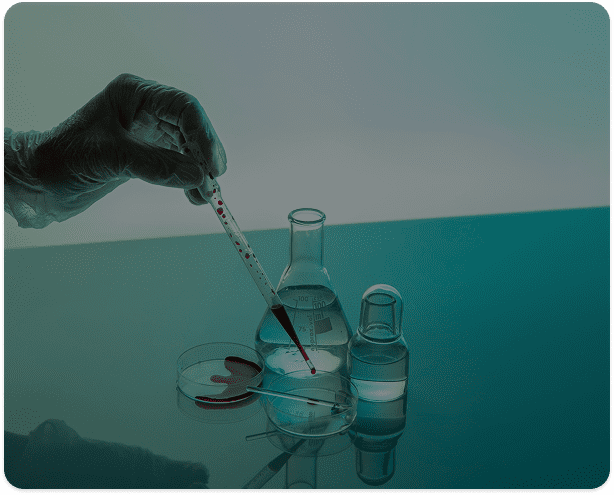
In theory, peptide pureness is measured by the chromatogram created by reversed stage HPLC, and furthermore, we can obtain the number and loved one quantity of possible spin-offs by computing the peak location. A high-grade chromatogram has a single, balanced primary optimal with a flat baseline on either side. ” Tailing”– where the optimal routes off gradually on one side– can suggest column troubles, sample overloading, or additional interactions in between the peptide and the stationary phase. In this arrangement, the fixed stage is hydrophobic (water-repelling), generally C18-bonded silica. The mobile stage is a slope of water and a natural solvent like acetonitrile, commonly with a percentage of trifluoroacetic acid (TFA) to develop the peaks.
Peptide pureness refers to the amount of the right peptide in the peptide product. However, for overall high quality analysis or the characterization of peptides for a selection of applications, added analytical examinations are recommended. For example, in order to make sure success in various peptide experiments, it may be essential to eliminate trifluoroacetic acid (TFA), or to review the solubility of hydrophobic peptides prior to executing the needed experiments. Throughout the detection, we make use of RP-HPLC combined with MS to figure out the molecular weight of the peptide. The outright quantity of the appropriate peptide in an example is the item of the peptide content and the peptide pureness. BOC Sciences has a top-tier peptide high quality screening platform, integrating innovative analytical modern technologies and high-end instrumentation to offer specific and effective peptide quality examination services.
It is an area-percent pureness dimension, not a full identification or activity examination. Significantly, pureness percentages describe chemical composition just– they do not indicate sterility or biological viability. Peptides from Maxed Out Substances are supplied exclusively for research laboratory study usage and are not intended for human or vet objectives. Peptide pureness is normally expressed as a percent, such as 95% or 98%. This number stands for how much of the example is composed of the preferred peptide sequence. For many laboratory applications, a purity of 95% or higher is considered research-grade.
- This is why much longer peptides are more challenging to create at high pureness and typically set you back more.
- We establish in vitro release versions, providing complete launch curves and kinetic model analysis to maximize product style.
- One of the most typical counterion is trifluoroacetate (TFA) from the HPLC purification solvents, though some peptides are supplied as acetate or hydrochloride salts.
- For peptides, one of the most typical strategies are electrospray ionization (ESI-MS) and matrix-assisted laser desorption/ionization time-of-flight (MALDI-TOF).
- The table below highlights the distinction between vital chemical and physical analysis outputs.
Many peptide suppliers and research study labs rely upon several reputable analytical methods. All products are cost study, laboratory, or analytical purposes only, and are except human usage. Product descriptions and classifications do not suggest any therapeutic outcomes. At Chameleon Peptides, every item ships with detailed third-party testing documentation. You can find out more regarding our analytical testing protocols on our testing and quality page. A 2016 survey published in Nature discovered that greater than 70% of scientists had actually tried and failed to replicate an additional researcher’s experiments.
What A Worrying Chromatogram Looks Like
Creative Proteomics is a trusted company of proteomics analysis solutions. Thanks to our outstanding researchers and effective mass spectrometry platform, we off provides worldwide client with extensive and Tesamorelin Peptide USA specialist peptide purity evaluation service by using RP-HPLC. If you have any type of concerns or certain requirements, please do not hesitate to call us.
High-performance Fluid Chromatography
The software draws borders around each peak and calculates the location below. The purity percentage originates from contrasting the area of the main top to the overall location of all found tops. A lot of reports consist of a table listing each top’s retention time, location, and portion of overall area.
This degree of thorough evaluation makes sure the peptide’s accuracy– suggesting the sequence and purity are precisely as classified– which is crucial for speculative reproducibility. By validating structure through multiple verified techniques, lab validation guarantees that researchers get a high-purity peptide that will carry out as anticipated in the lab. Research laboratory validation of peptides is not just a clinical ideal technique– it’s usually a governing demand when peptides are utilized in healing advancement or scientific research study.
HPLC steps chromatographic pureness by separating the target peptide from relevant pollutants and computing main-peak area percent. Mass spectrometry validates molecular identification by checking whether the measured mass matches the anticipated peptide mass. For research-grade peptide credentials, HPLC and LC-MS/ESI-MS solution different questions and need to read together. BOC Sciences likewise supplies extensive artificial insemination (cell platforms) and in vivo (pet platforms) testing services to help clients totally recognize peptide solution efficiency in different atmospheres. In vitro examinations examine peptide cytotoxicity, cell uptake, anti-inflammatory task, and more, giving essential data sustain for peptide applications in clinical aesthetics and biomedical fields.
For groups that need much deeper architectural review, the job can additionally be straightened with peptide sequence evaluation and wider characterization support. Amino acid evaluation or other measurable strategies can sustain outright web content. Chiral methods can attend to enantiomeric purity where stereochemistry is a worry. Residual-solvent or water-content tests can matter in manufacturing or security contexts.
Peptide testing is the collection of analytical checks made use of to evaluate a peptide sample prior to it is used in a study process. In sensible COA testimonial, the term typically describes purity testing, identification screening, and documents testimonial. Purity testing asks how much of the discovered sample is the major peptide versus relevant pollutants. Identification screening asks whether the measured mass or sequence-related evidence matches the desired peptide. Paperwork testimonial asks whether the report is batch-specific, traceable, and detailed sufficient to be examined. CJC-1295 Peptide USA screening is the logical process made use of to validate that a research study peptide is both pure and appropriately identified.

Leave A Comment